

Shop-bought detergents work well, but they are not the only option. DIY laundry detergent appeals to households that want fewer chemicals, lower costs, and control over what goes into every wash. A homemade detergent can clean everyday laundry effectively when it is made and used correctly. This guide explains simple DIY laundry detergent recipes, how to use them, what to avoid, and when shop-bought detergent is still the better choice.
Why Make Your Own Laundry Detergent?
People make their own detergent for several reasons. Cost is one: basic ingredients are inexpensive and a single batch can last for many washes. Sensitivity is another: homemade recipes skip fragrances and dyes that irritate some skin. There is also the satisfaction of knowing exactly what is in the product you use on your family’s clothes. That said, DIY detergent is not magic. It cleans well for everyday dirt and light soiling, but heavily soiled work clothes or cloth nappies may still need a stronger commercial product. Understanding what homemade detergent can and cannot do is the key to using it happily. If you are unsure how homemade options compare with shop products, our soap vs detergent explained guide sets out the differences clearly.
A Simple Powdered DIY Laundry Detergent Recipe
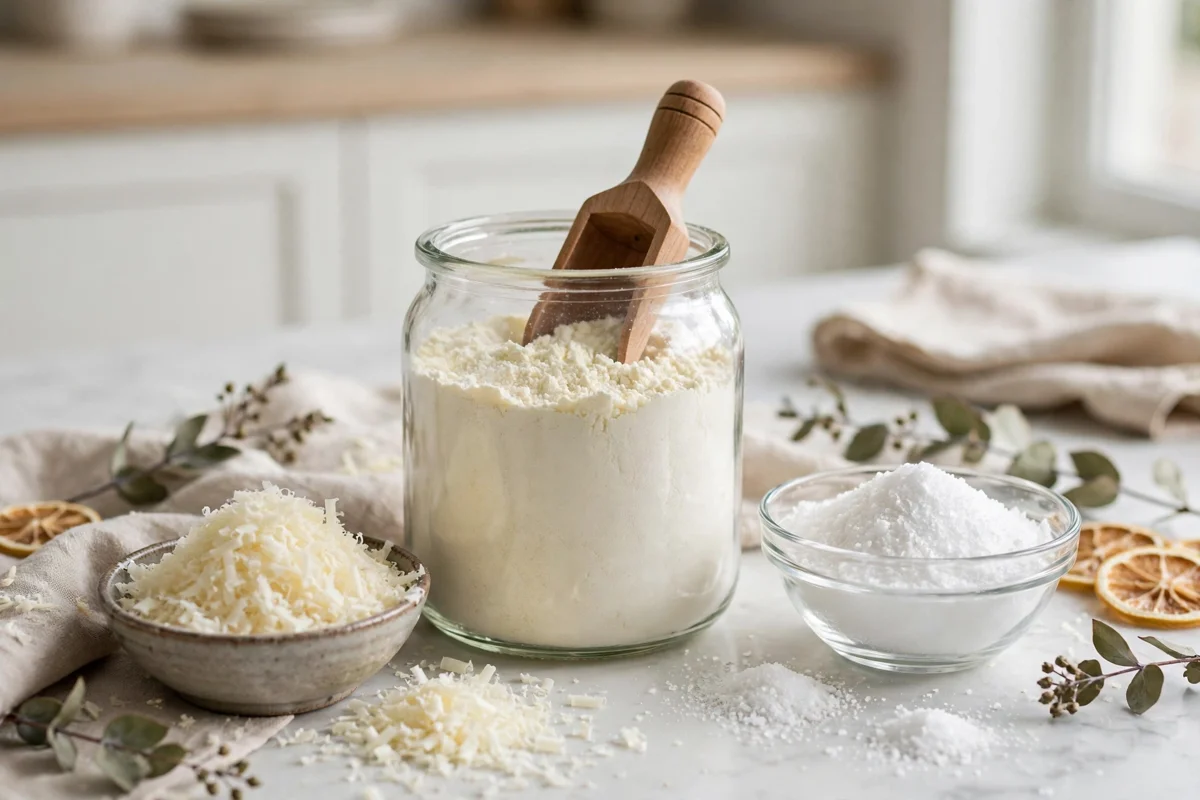
The classic powdered recipe uses three ingredients: washing soda, borax substitute or bicarbonate of soda, and grated bar soap. Grate the soap finely, mix it thoroughly with the powders, and store the blend in a sealed, labelled jar away from moisture. Use roughly one to two tablespoons per load, depending on your machine and water hardness, and add it to the drum or dispenser as you would a normal powder. Keep the jar out of reach of children and pets, and label it clearly so it is never mistaken for food. This recipe suits top-loading machines and most front-loaders, but always check your machine manual first, since some manufacturers warn against certain homemade products.
A Simple Liquid DIY Laundry Detergent Recipe
Liquid versions dissolve more easily in cold washes. To make one, dissolve grated soap in hot water, stir in washing soda until fully dissolved, then dilute with more hot water and leave the mixture to cool and thicken. It often sets into a gel, which is normal: stir or shake before each use. Use roughly half a cup per load. Liquid detergent is convenient for pre-treating stains too: dab a little directly onto a mark before washing. If your liquid separates or thickens too much, stir it well and add a little warm water. For stain-specific advice, our guide to removing deodorant stains shows how pre-treatment fits into a normal wash routine.
Using DIY Detergent Safely and Effectively
Safety comes first with homemade cleaning products. Wear gloves when handling washing soda, keep ingredients away from eyes, and never mix cleaning products together, especially anything containing bleach. Wash new recipes on a small load first to check for residue or skin reactions. If clothes feel stiff or coated after washing, you may be using too much product or your water may be hard; try a smaller dose and add white vinegar to the rinse to soften fibres. Our guide to washing clothes in vinegar explains how a vinegar rinse helps with residue and softness. Also remember that DIY detergent does not disinfect: for bedding during illness or heavily soiled items, use a commercial product designed for the job.
What DIY Detergent Cannot Do
Homemade detergent has limits worth knowing. It generally lacks the enzymes that commercial detergents use to break down protein stains like blood or egg, so those marks need separate pre-treatment. It may also struggle in very hard water areas without a water softener, and it is not suitable for delicate fabrics that need a specialist product. Wool, silk, and technical sportswear should be washed with products made for them. If your laundry includes a lot of whites that need brightening, our bleach for clothes guide explains safe whitening options that pair with a normal wash. The honest rule is simple: use DIY detergent for everyday loads, and keep a commercial product for the jobs it cannot handle.
Scenting Your DIY Detergent Naturally
Many people miss the fragrance of shop-bought detergent. You can add a few drops of essential oil to a batch of homemade detergent, but keep the dose small and choose oils you know you tolerate. Lavender and eucalyptus are popular choices, while citrus oils can fade in storage. Never add undiluted essential oil directly to clothes, and skip scent entirely for baby laundry or anyone with sensitive skin. A simpler way to add freshness is to use wool dryer balls with a drop of oil, or to dry laundry outdoors when the weather allows. Fresh air is still one of the best deodorisers for everyday washing.
DIY Detergent and Your Washing Machine
Homemade detergent can leave residue in your machine if you use too much or wash mostly in cold water. Run a regular hot maintenance wash with no laundry to flush the drum and pipes, and wipe the detergent drawer and door seal to prevent build-up. Check the filter every month or two, since undissolved powder and soap residue can collect there. Our guide to cleaning a washing machine filter safely walks through the process step by step. A clean machine washes better with any detergent, homemade or shop-bought, and lasts longer too.
Storing and Labelling Your Homemade Detergent
Good storage keeps homemade detergent effective and safe. Use a dry, sealed container for powder and a clean bottle with a lid for liquid. Label everything with the contents and the date you made it, and note the dose per load on the container so anyone in the household uses it correctly. Make small batches rather than huge ones, since homemade products have no preservatives and can clump or degrade over time. A fresh batch every month or two is plenty for most households. Pair your homemade detergent with good laundry habits, like the ones in our guide to making laundry smell good, and your everyday washing will stay fresh, affordable, and under your control.
