

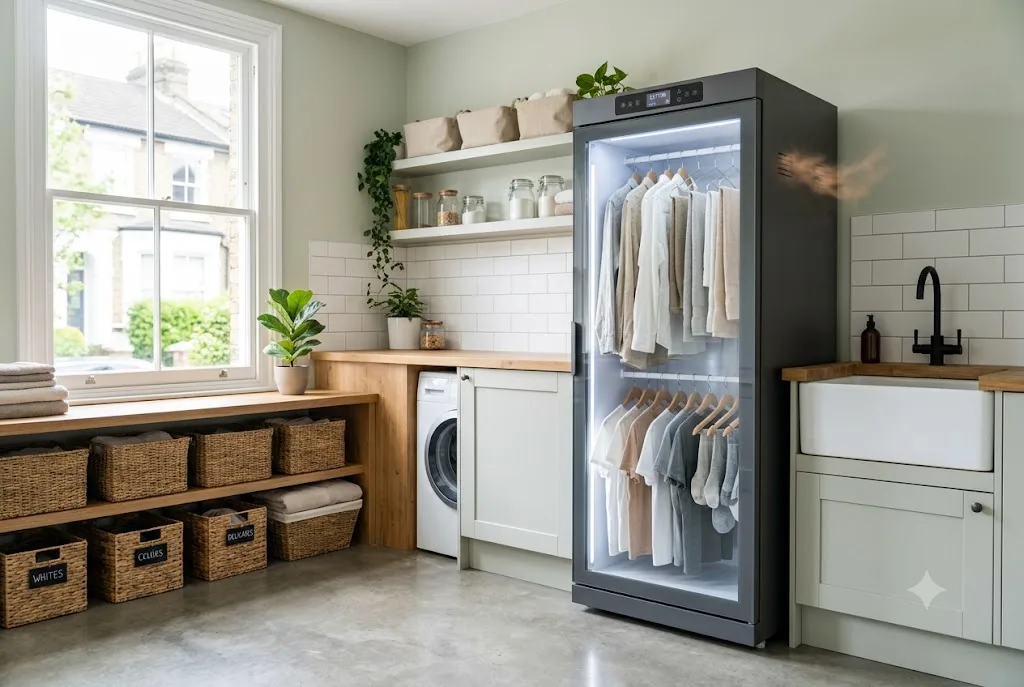
Finding enough space to dry laundry can be difficult, especially during the UK’s wet and cold months. A portable dryer for clothes offers a practical solution for flats, small homes, student accommodation, caravans, and anyone who needs faster indoor drying without installing a full-sized tumble dryer. These compact appliances help reduce drying times while taking up far less room than traditional machines.
If you’re considering a dryer clothes portable solution, this guide explains how portable dryers work, their advantages, important buying factors, and whether they’re the right choice for your household.
What Is a Portable Dryer for Clothes?
A portable dryer for clothes is a compact appliance designed to dry clothing using warm air circulation. Unlike conventional tumble dryers, these units are lightweight, easy to move, and often fold away when not in use.
Most portable models include a fabric enclosure or drying cabinet that directs warm air around hanging garments. Others use a rotating drum similar to a standard tumble dryer but on a much smaller scale.
They are especially useful for:
- Small apartments
- Student accommodation
- Rental properties
- Holiday homes
- Caravans and motorhomes
- Homes without outdoor drying space
Benefits of Using a Portable Dryer for Clothes
Ideal for Limited Spaces
One of the biggest advantages is portability. Most units can be stored inside a cupboard or corner after use, making them suitable for compact living spaces.
Gentler on Clothing
Many portable garment dryer models use lower drying temperatures than conventional tumble dryers. This helps reduce wear on delicate fabrics while still speeding up the drying process.
Useful During Wet Weather
British weather often makes outdoor drying unreliable. A small clothing dryer provides consistent indoor drying regardless of rain or humidity.
Lower Energy Usage
Many compact dryers consume less electricity than large tumble dryers because they handle smaller loads and often operate at lower wattages.
Different Types of Portable Clothes Dryers
Drying Cabinet Models
These feature a lightweight frame covered with a fabric enclosure. Warm air circulates around hanging clothes to dry them evenly.
They work particularly well for:
- Shirts
- Dresses
- School uniforms
- Sportswear
- Work clothing
Mini Tumble Dryers
These resemble traditional tumble dryers but have smaller drums. They are suitable for households with limited laundry needs.
Travel Garment Dryers
A compact garment dryer designed for travel can quickly dry a few essential items while staying in hotels or holiday accommodation.
Who Should Buy a Small Clothing Dryer?
A small clothing dryer may be a worthwhile investment if you:
- Live in a flat without outdoor drying space
- Need faster drying during winter
- Have limited room for appliances
- Wash clothes frequently in small loads
- Want an additional dryer alongside your washing machine
Features to Look For
Drying Capacity
Check the recommended clothing capacity before purchasing. Some models handle only a few garments, while others can dry an entire small wash load.
Timer Function
Built-in timers allow you to control drying duration and avoid unnecessary energy consumption.
Noise Level
Quiet operation is important if you’ll be using the dryer in living areas or bedrooms.
Safety Features
Choose models with overheating protection and automatic shut-off for safer everyday use.
Easy Storage
Many dryer clothes portable models fold down for convenient storage after use.
Portable Dryer vs Traditional Tumble Dryer
Portable dryers are designed for convenience rather than large family laundry loads.
A portable dryer generally offers:
- Smaller size
- Easier storage
- Lower purchase cost
- Reduced energy usage for smaller loads
- Greater flexibility for renters
Traditional tumble dryers remain the better choice for households washing large volumes of clothing every day.
Tips for Faster Drying
To get the best performance from your dryer for clothes:
- Spin clothes thoroughly before drying.
- Avoid overloading the dryer.
- Leave space between garments.
- Use lightweight hangers where recommended.
- Clean air vents regularly.
- Follow manufacturer instructions for load limits.
Reducing Dampness Indoors
Indoor drying can increase moisture levels inside your home. Opening a window slightly or using extractor fans can improve airflow while your portable dryer operates.
According to the NHS guidance on keeping homes warm and reducing damp, good ventilation helps minimise condensation and mould growth.
Portable Dryer or Clothes Airer?
If speed isn’t your priority, a traditional clothes airer may still be sufficient. However, portable dryers provide quicker drying, especially during winter.
If you’re comparing drying options, our guide to foldable clothes airers explains how collapsible drying racks can complement indoor laundry routines.
You can also explore our recommendations on the best heated clothes airer if you’re looking for another energy-conscious indoor drying solution.
Maintenance Tips
- Wipe the exterior regularly.
- Inspect zips and fabric covers for wear.
- Keep air vents free from lint.
- Store the dryer in a dry location.
- Check power cables before each use.
Final Thoughts
A portable dryer for clothes is an excellent solution for UK households where space is limited or outdoor drying isn’t practical. Whether you choose a garment dryer cabinet or a compact small clothing dryer, these appliances can make everyday laundry more convenient while helping clothes dry faster throughout the year. By selecting the right capacity, maintaining good ventilation, and following proper care guidelines, you’ll get reliable performance and extend the life of both your dryer and your clothing.
